







Search Results for: grinding techniques
Pour-over Coffee Single-Pour Technique Tutorial: A Complete Guide to Brewing Steps, Flavor Characteristics, and Grind Parameters
Among the many ways to brew pour-over coffee, the single-pour method is one of the first techniques many enthusiasts encounter and the easiest to understand. Its core logic is simple and clear—after the bloom, the entire target volume of water is poured in one go. That said, the single-pour method does not mean pouring water only once; the process still consists of two stages: the bloom and the main pour. Coffee brewed this way tends to be clean, clear, and consistent in flavor, but it also places stricter demands on pouring stability, grind size, and other parameters. In this article, from the perspective of a Front Street Coffee barista, we will break down the complete single-pour brewing process in detail, analyze its flavor performance and operational challenges, and help those just getting started quickly master this classic technique. [more…]
A Detailed Guide to Pour-Over Coffee Extraction Techniques: A Complete Guide to Grind Size, Coffee-to-Water Ratio, and Water Temperature Parameters
Pour-over coffee seems simple, but in reality it involves countless variables—from the roast level of the beans to the coarseness of the grind, from water temperature to pouring technique, every step affects the final flavor. This article systematically breaks down the core technical points of pour-over coffee: grinding coarseness and water temperature strategies for different roast levels, the key techniques for stable circling and gentle pouring, when to use the water-interruption technique, and how to judge whether extraction is even by observing the state of the coffee bed. Whether you're a beginner just starting out or an enthusiast looking to refine your technique, you'll find practical guidance here. [more…]
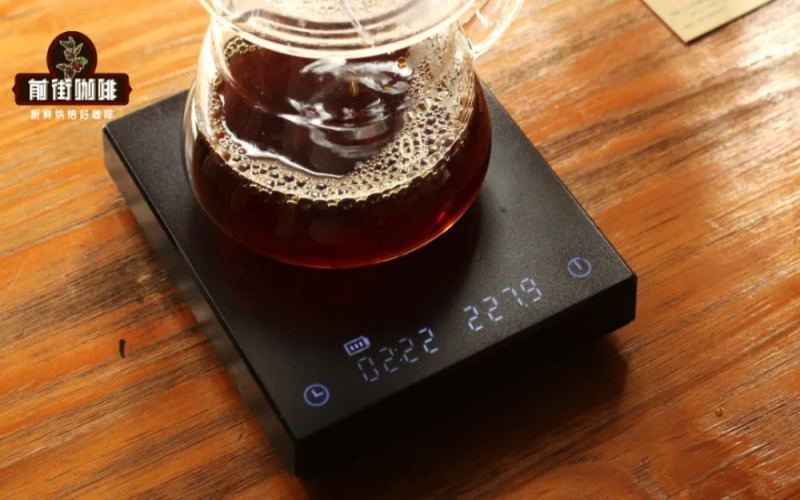
A Complete Guide to Pour-Over Coffee Parameters: Water Temperature, Coffee-to-Water Ratio, Grind Size, and Pouring Techniques with Step-by-Step Illustrations
What variables should you actually control to brew a balanced pour-over coffee? Among the six key factors—water temperature, coffee-to-water ratio, grind size, pouring technique, time, and water quality—the first four have the most direct impact on flavor. This article uses diagrams to break down the logic behind each parameter and how to adjust it, helping you move past the misconception that "a 1°C difference changes the taste," understand why grind uniformity matters more than the setting number, and learn to use a three-pour technique to adapt flexibly to extraction changes. It also offers parameter recommendations for specific beans such as Front Street Coffee Huakui and Front Street Coffee Golden Mandheling, so the theory truly translates into everyday brewing. [more…]
Pour-Over Coffee Water-to-Coffee Ratio and Parameter Guide: A Complete Extraction Guide from Water Temperature and Grind to Pouring Technique
The charm of pour-over coffee lies in its variability, but behind this variability, there are discernible patterns. Many enthusiasts follow tutorials to brew, yet the taste fluctuates—sometimes good, sometimes bad. The problem often lies in mastering the core parameters. Drawing from Front Street Coffee's production experience, this article systematically outlines the six major factors affecting pour-over flavor: water temperature, coffee-to-water ratio, grind size, pouring technique, time, and water quality. Among these, how to choose the water temperature range, how the coffee-to-water ratio balances extraction yield and concentration, why grind size is of utmost importance, and how to adapt pouring techniques on the fly are all broken down one by one with specific cases and recommended bean lists, helping you find consistent good taste amidst constantly changing parameters. [more…]

How Coffee Grind Size Affects Flavor in Pour-Over and a Guide to Common Home Brewing Problems and Adjustment Techniques
The same bag of coffee beans, brewed at home, always tastes worse than in the shop—this is a confusion almost every pour-over enthusiast encounters. The root of the problem often lies not in the beans themselves, but in several variables during extraction—whether the grind size is appropriate, whether the coffee bed is evenly distributed, whether the parameters and technique match, and even water quality, an easily overlooked factor, can all significantly affect the final flavor. Starting from Front Street's practical experience, this article breaks down one by one the mechanism by which grind size affects taste, the brewing framework beginners should master first, and how to judge where the problem lies by observing the coffee bed and the flow rate, helping you find that cup of good coffee that belongs to your own home. [more…]
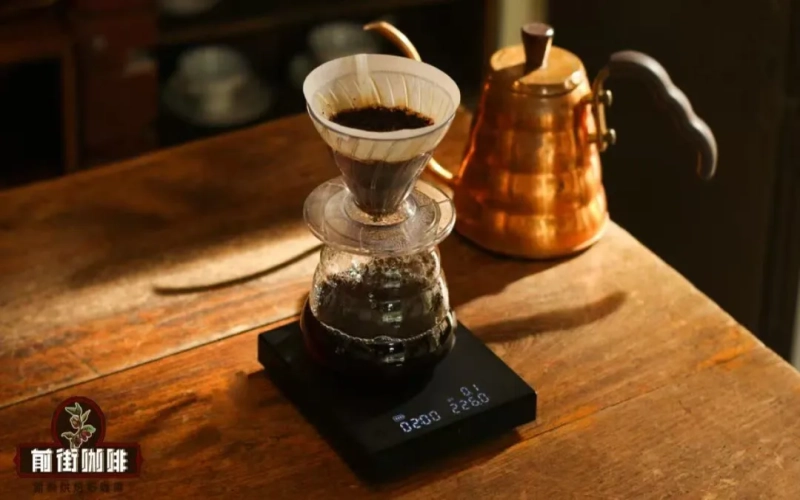
Why should pour-over coffee extraction time be recorded? Abnormal times reveal problems with grinding, technique, and equipment
Many coffee enthusiasts habitually start a timer when brewing, but some also feel that timing is optional. In fact, although time cannot be directly controlled, it can help us judge whether the grind, technique, and equipment are suitable. This article, from Front Street's perspective, discusses why timing matters in pour-over coffee, what extraction times that are too fast or too slow each mean, and how to correct brewing problems by adjusting grind size, pouring method, and dripper, so you can brew a good cup of coffee more consistently. [more…]
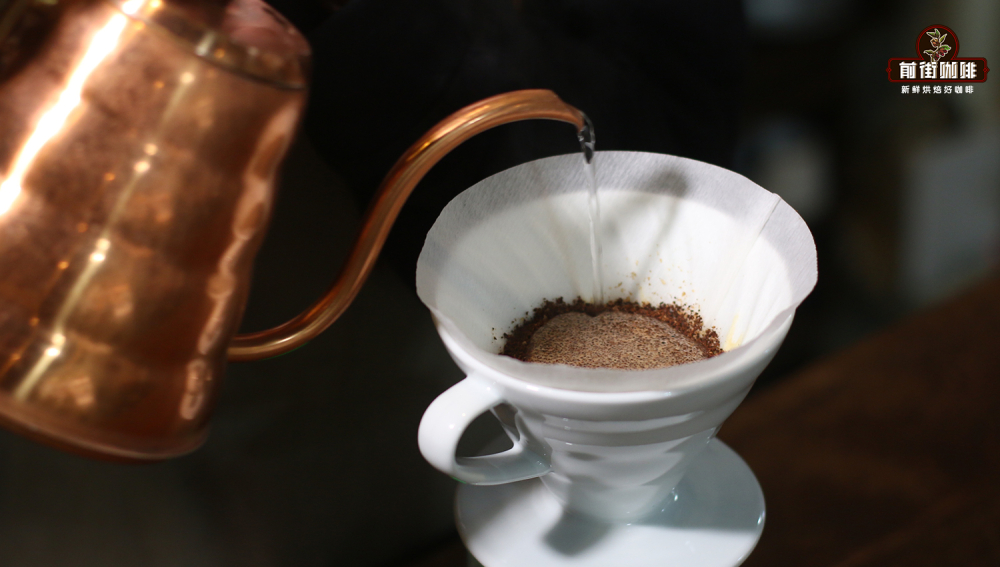
Single-Serve Pour-Over Coffee Method | What Is Gold Cup Extraction Yield? Which Brewing Technique Suits Coffee Beginners? Pros and Cons of the Drip Method, Volcano Pour, and One-Pour Technique
Front Street Coffee encounters customers asking about pour-over coffee every day, whether it's about what pouring technique should be used for pour-over coffee, or how much coffee grounds to use for pour-over coffee. In fact, with the development of coffee culture, more and more people no longer think of coffee as [more…]
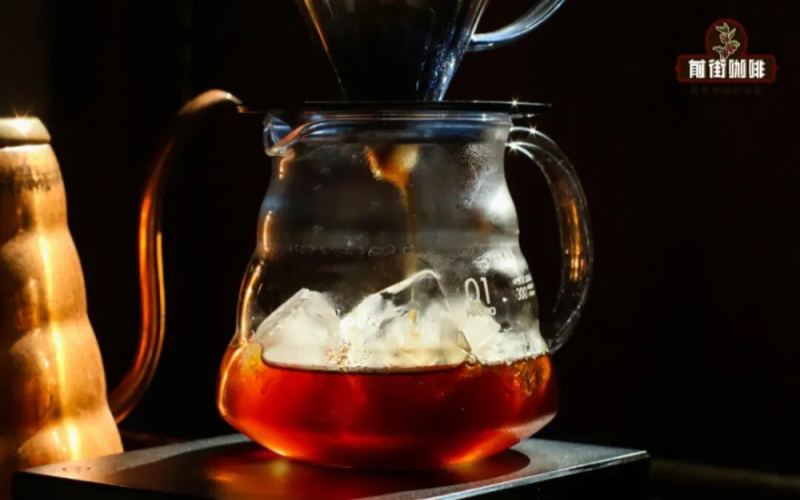
Secrets to Making Iced Pour-Over Coffee: A Comprehensive Guide to Water Temperature, Coffee-to-Ice Ratio, Grind Size, and Pouring Techniques
On a hot summer day, a glass of iced pour-over coffee brings a refreshing treat. But many people end up with an iced pour-over that tastes weak and lacks aroma. So how exactly do you make an iced pour-over with full, rich flavor? This article lays out four key techniques—from the coffee-to-water-to-ice ratio and grind size adjustments to pouring technique and ice selection—to help you avoid common pitfalls. Drawing on everyday brewing experience, Front Street Coffee offers specific parameter recommendations and a universal formula, so whether you're a beginner or an advanced enthusiast, you'll find a practical reference plan that makes iced pour-over more than just hot pour-over with ice added. [more…]
Yirgacheffe Red Honey Process Pour-Over Tutorial: Grind Settings and Brewing Techniques for Hario V60 and French Press
This Yirgacheffe red honey coffee from Front Street Coffee comes from the Idido region at an altitude of 2,000–2,200 meters. It is a local heirloom variety, G1 grade, processed using the uncommon red honey method, with pronounced sweetness, balanced acidity, and the signature floral and fruity aroma of Yirgacheffe. This article shares in detail its pour-over grind setting, as well as the specific parameters and techniques for two brewing methods—Hario V60 and French press—including coffee-to-water ratio, water temperature, pouring rhythm, and extraction time, along with tasting notes for each, to help coffee lovers recreate this bean's layered complexity and refreshing cup at home. [more…]
Master the Five Techniques and Four Key Parameters of Pour-Over Coffee: A Quick Guide to Elevate Your Brewing Skills
With the rise of the third wave of coffee, pour-over coffee has attracted many enthusiasts with its ritualistic brewing process. However, many people feel that the flavor they brew at home is not as good as in coffee shops, yet they don't know how to adjust the blooming time, grind setting, pouring method, or water temperature. In this article, Front Street Coffee starts from the four major elements of water temperature, grind coarseness, coffee-to-water ratio, and pouring technique, systematically explaining how to brew a good pot of coffee, and breaks down in detail five practical techniques—three-stage pour, stirred bloom, Japanese drip method, single-pour method, and volcanic pour—to help you consistently reproduce your ideal flavor at home. [more…]
Can spraying water on coffee before grinding reduce static clumping? A detailed explanation of the principles, effects, and limitations of the RDT technique
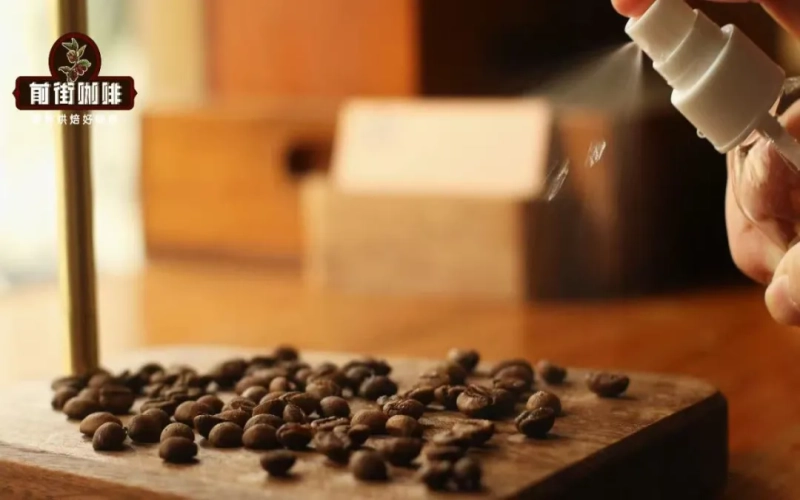
Among the many supplementary techniques for making coffee, RDT (Ross Droplet Technique) is a method of reducing static electricity and clumping by spraying water onto coffee beans before grinding. Its principle is not complicated: during grinding, coffee beans generate static electricity due to friction and uneven charge distribution, causing fine particles to stick together into clumps, which in turn lowers the extraction yield and induces channeling. RDT can effectively alleviate this problem, but it also has obvious shortcomings—it is only suitable for single dosing, the water amount is difficult to control, and long-term use may damage the burrs. In this article, Front Street Coffee breaks down the ins and outs of RDT, its actual effects, and its operational limitations in detail, and offers a more reliable alternative. [more…]
A Complete Analysis of Pour-Over Coffee Parameters: How Water Temperature, Coffee-to-Water Ratio, Grind Size, and Pouring Technique Affect Extraction
Many coffee enthusiasts encounter the same confusion when practicing pour-over: even when they follow the tutorials strictly, the taste comes out very different every time, and whether it is good or not seems to depend entirely on luck. The variables affecting pour-over coffee are indeed numerous—from water temperature, coffee-to-water ratio, and grind size to pouring technique, time, and water quality, each one can influence the final flavor in the cup. Based on Front Street's practical experience, this article will break down these six major elements one by one, helping readers understand which parameters truly determine the taste of coffee, which steps play a key role in extraction, and how to accurately identify the root of the problem when coffee goes wrong and flexibly adjust the brewing plan. [more…]
Pour-Over Coffee Beginner's Guide: A Full Breakdown of Water Temperature, Grind Size, Coffee-to-Water Ratio, and Five Classic Pouring Techniques
The charm of pour-over coffee lies in having every step under your own control, yet many enthusiasts feel that their home brews always fall short of the taste they get at a coffee shop. In this article, Front Street Coffee explains four dimensions—water temperature, grind size, coffee-to-water ratio, and pouring technique—and introduces five classic pour-over methods in detail: the three-stage pour, the stir-and-bloom method, the Japanese drip method, the single-pour method, and the volcano pour. It also analyzes the causes of failed extractions and directions for improvement. Whether you are a beginner just getting started or a veteran looking to refine your technique, you will find practical advice here. [more…]
A Complete Breakdown of Pour-Over Coffee Parameters: Water Temperature, Coffee-to-Water Ratio, Grind Size, and Pouring Technique—Which One Determines the Brewed Flavor?
Many friends who are just getting into pour-over coffee run into the same confusion: even when they follow the tutorial exactly, the cup tastes different every time, and whether it's good or not seems to come down to luck. There really are quite a few variables that affect pour-over coffee—among the six key elements of water temperature, coffee-to-water ratio, grind size, pouring technique, time, and water quality, which one actually plays the decisive role in the final flavor? Drawing on our daily production experience and experimental observations, Front Street breaks down the real impact of each of these parameters one by one, to help everyone clear up their thinking and find the right direction for adjusting the taste of their coffee. [more…]
Analysis of Six Classic Pour-Over Coffee Brewing Methods: Techniques and Flavor Differences from One-Pour to Stirring
The charm of pour-over coffee lies in its rich and varied brewing methods, with different techniques bringing out completely different flavor expressions. This article systematically sorts out six common pour-over techniques—one-pour flow, three-stage, four-six method, three-temperature brewing method, volcano pour, and stirring method—explaining in detail the operational key points, applicable scenarios, and flavor characteristics of each technique. From the logic of dividing pouring stages to extraction strategies based on water temperature changes, from adjusting grind size to the influence of stirring intensity on fine particle migration, the content balances theoretical principles with practical details. The article also specifically shares the three-stage brewing parameters used daily at Front Street Coffee, as well as the grinding solutions offered to address the easy over-extraction problem of the four-six method, making it suitable for coffee enthusiasts who wish to refine their brewing skills. [more…]

How to brew iced pour-over coffee so it isn’t weak? Master the universal ratio and grind adjustment techniques
On a scorching summer day, a refreshing glass of iced pour-over coffee is undoubtedly the top choice for cooling down and recharging. But many people who try iced pour-over at home often run into the problem of the coffee tasting thin and bland after being diluted by the ice cubes. In fact, all you need is a simple universal formula—a coffee-to-water ratio of 1 part grounds to 10 parts hot water plus 5 parts ice—and then, following proper extraction logic, grind a bit finer, and you can easily make a glass of iced pour-over with both good strength and flavor. This article will break down in detail the principles behind adjusting iced pour-over parameters, the three-pour technique, and the convenient "one-pour iced pour-over" method developed by Mr. Tetsu Kasuya, so you can reliably replicate café-quality iced coffee at home. [more…]
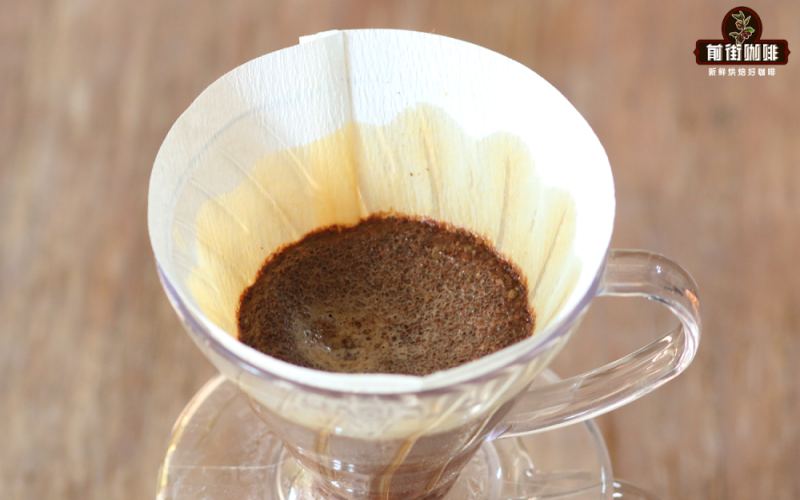
The Cause of the Central Collapse in the Coffee Bed After the Bloom in Pour-Over Brewing: The Combined Effect of Water Volume, Technique, and Grind Size
The blooming phase of pour-over coffee is often seen as the first dialogue with the coffee grounds, and an ideal expansion state often indicates a smooth subsequent extraction. However, sometimes the coffee bed clearly puffs up, only to have a pit form in the middle moments later—is this actually normal? This article analyzes this phenomenon, first explaining the physical mechanism behind expansion followed by collapse, and then investigating the causes one by one from three angles: water volume, pouring technique, and grind size. Front Street Coffee uses 15 grams of light-roast beans for simulation comparisons, showing the actual changes in the coffee bed under different parameters, to help you quickly identify problems in daily brewing, adjust your technique and parameters, and get the blooming state back on track. [more…]
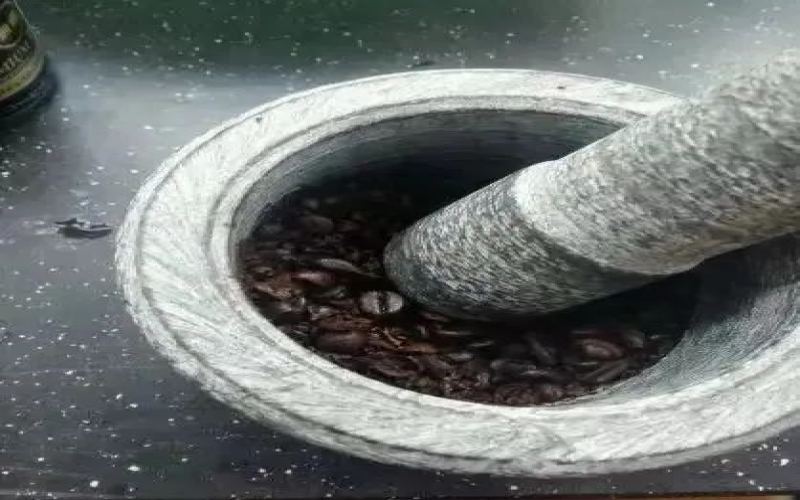
A Complete Guide to Pour-Over Coffee: A Practical Analysis of Grind Size, Pouring Technique, Coffee-to-Water Ratio, and Water Temperature
Many coffee enthusiasts buy beans to take home after enjoying a satisfying cup at a café, only to find that their own brews always seem to fall a bit short. To address this common frustration, Front Street Coffee has identified the four most error-prone stages: grind size, pouring technique, coffee-to-water ratio, and water temperature. Starting with the shape of the coffee bed after brewing, the article teaches you to judge where the problem lies by examining particle coarseness, muddiness, and drainage speed; it then analyzes the causes of weak or overly sour flavors from the details of pouring; and finally offers practical recommendations on coffee-to-water ratio and water temperature. Whether you are a beginner or looking to refine your technique, this systematic breakdown will help you find the right direction for adjustment. [more…]
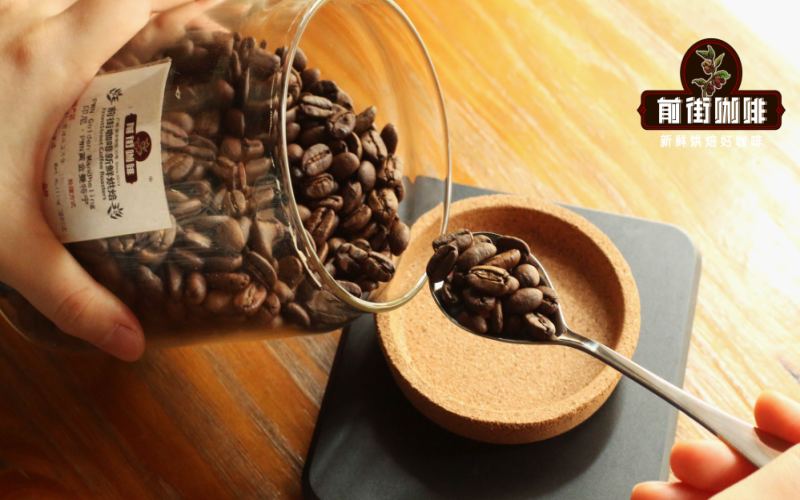
The Complete Guide to Grinding and Brewing Dark Roast Coffee Beans: A Detailed Explanation of Coffee-to-Water Ratio, Time, Dripper, and Pouring Techniques
Deep-roasted coffee beans are loved for their rich, full-bodied taste and complex flavors of chocolate, caramel, and spice. But brewing a delicious cup of dark roast coffee requires attention to every detail, from grind size and coffee-to-water ratio to dripper selection and pouring technique. Using the highly cost-effective Front Street Queen's Estate as an example, this article explains in detail the brewing parameters and techniques for dark roast coffee, including how to avoid a thin body by adjusting the ratio, how to judge the extraction state based on brewing time, why dark-roasted beans are better suited to the Kono dripper rather than the V60, and why you should avoid washing down the walls of the cup when pouring. Whether you are a beginner just getting into pour-over or a coffee enthusiast looking to refine your skills, this tutorial can help you more fully extract the rich flavors of dark-roasted beans. [more…]
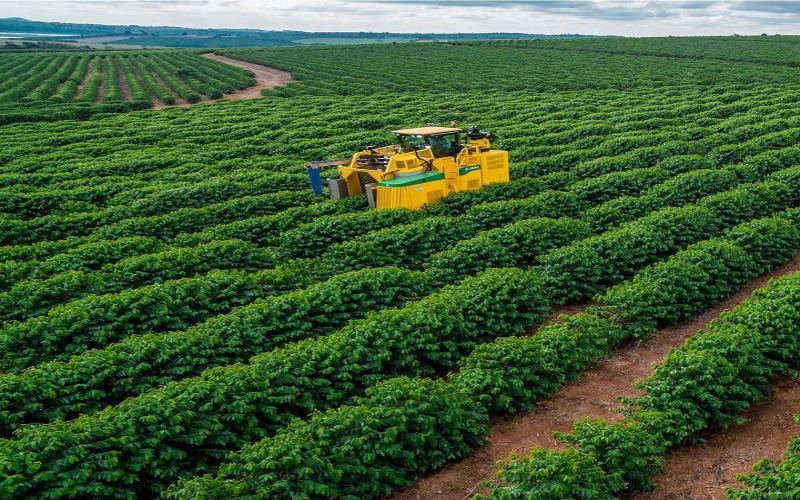
A Detailed Guide to Brazilian Coffee Bean Pour-Over Techniques: Discussing Extraction Parameter Settings from the Perspective of Front Street Queen Estate
Brazil is the world's largest coffee producer, and its coffee beans are renowned for their balanced sweetness and nutty notes, making them highly favored by pour-over enthusiasts. This article uses Front Street Coffee's Brazil Queen Estate coffee beans as an example, breaking down the flavor formation from terroir and variety characteristics to processing method one by one, and systematically explains the four core parameters of water temperature, grind size, coffee-to-water ratio, and brewing technique, providing a pour-over recipe that can be directly referenced. Whether you are a beginner just getting into pour-over or an enthusiast looking to refine your technique, you will find clear operational guidance here. [more…]